

Our Southold, East Setauket & Riverhead, NY Podiatrist is an expert in treating a wide variety of nail & skin conditions including:
TOENAIL FUNGUS
Do crumbly, thickened toenails have you hiding your feet?
Infections by fungi underneath your nails cause toenail fungus. Patients can pick up fungal toenail infections in the gym locker room, from a nail salon, wet shoes or from trauma. The fungus likes to grow in warm, damp locations. Fungal toenails usually do not get better without treatment.
Premium Treatments for Nail Fungus

At North Fork Podiatry & Three Village Podiatry we offer state-of-the-art options because we want the best for our patients.
ToeFX® Cleartoe Therapy Light Clears Up Toenail Fungus
Faster than creams and ointments
Painless and laser free
Non-toxic and drug-free with no side effects
ToeFX is the only FDA cleared LED-based light therapy system for toenail fungus
Laser therapy for Toenail Fungus
Laser therapy for fungal toenails which is the easy & convenient treatment that helps turn your discolored and disfigured nails into clearer, healthier looking nails.
Schedule an appointment for the first step in restoring your toenails to health.
INGROWN TOENAIL
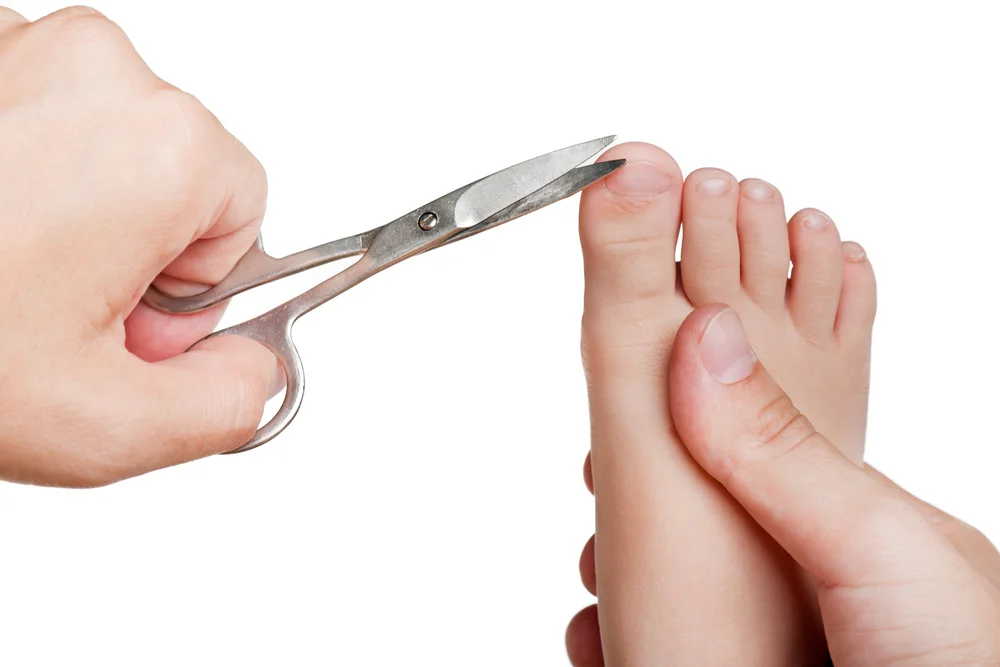
At North Fork Podiatry & Three Village Podiatry, many of my patients fear coming in for treatment of an infected ingrown toenail. They come in with excruciating pain and we get to send them home feeling a whole lot better.
An ingrown toenail occurs when a corner of the nail grows into the flesh of the toe, causing redness and swelling, followed by pain and often infection. Ingrown toenails can occur due to improper trimming of the toenail, trauma or genetic factors.
Treatment for ingrown toenails is performed by gently numbing the toe, and then removing the offending corner of the nail. If you have chronic ingrown toenails, we can remove the root in the office to permanently prevent re-growth of the ingrown portion of the nail.
If you have an ingrown toenail, don't be afraid to schedule an appointment. Your treatment will be gentle and virtually painless, and we'll get you back to your normal activities right away.
FAQs - Toenail Conditions
-
Toenail fungus commonly causes nails to become thickened, discolored, brittle, crumbly, or separated from the nail bed. However, psoriasis, trauma, and other conditions can produce similar changes. North Fork Podiatry evaluates abnormal toenails and may recommend laboratory testing to confirm a fungal infection before treatment.
-
Toenail fungus may recur because fungal organisms remain in footwear, on the surrounding skin, or within incompletely treated nails. Repeated exposure in moist environments and certain medical conditions can increase recurrence risk. Proper treatment, foot hygiene, and preventive measures can help reduce the likelihood of reinfection.
-
Treatment options may include prescription topical medications, oral antifungal medications, nail trimming or debridement, and selected device-based therapies. The most appropriate approach depends on infection severity, nail involvement, and overall health. Dr. Buffone evaluates fungal toenails and discusses suitable treatment options and expected outcomes.
-
An ingrown toenail should be evaluated when it causes persistent pain, redness, swelling, drainage, or recurrent infections. Patients with diabetes, neuropathy, or poor circulation should seek prompt care rather than attempting home treatment. A podiatrist can relieve discomfort and recommend procedures when necessary to prevent recurrence.
WARTS (PLANTAR WARTS)

At our podiatry practice, North Fork Podiatry & Three Village Podiatry, we offer many wart removal treatment options. Foot Warts (Plantar Warts) are a common foot condition that we treat in our practice. If you have one or more growths on the bottom of your foot that may or may not be painful, chances are it's a plantar wart.
Plantar Warts are caused by a virus. You may notice little black dots in the wart. People sometimes think these dots are splinters. They are actually the blood vessels that nourish the wart. You can get viral warts anywhere you walk barefoot, such as the local pool, karate studio, dance studio, locker room or even from a pedicure salon.
There are several treatments for plantar warts, the type of treatment received depends upon the patient's needs. Plantar warts can spread easily. If you think you have one or more plantar warts, make an appointment today to have them removed before they multiply
ATHLETE'S FOOT (TINEA PEDIS)
What is athlete's foot (tinea pedis)?
Athlete's foot is caused by a fungal infection affecting the web of skin between the toes and the soles of the foot. Symptoms typically include burning, pain, itching and scaling.
Athlete's foot is highly contagious. People pick up these fungal infections when walking barefoot on contaminated floors and object. Athlete's Foot can even be passed from person to person.
Although Athlete's foot can be treated with anti-fungal medications, you should always try to keep your feet dry, wear cotton socks and "breathable shoes".
North Fork Podiatry & Three Village Podiatry offers various treatments for Athlete's foot. If you think you have athlete's feet, schedule a consultation with our foot specialists and let us help you find relief.
FAQs - Skin Conditions
-
An ingrown toenail should be evaluated when it causes persistent pain, redness, swelling, drainage, or recurrent infections. Patients with diabetes, neuropathy, or poor circulation should seek prompt care rather than attempting home treatment. A podiatrist can relieve discomfort and recommend procedures when necessary to prevent recurrence.
-
An ingrown toenail should be evaluated when it causes persistent pain, redness, swelling, drainage, or recurrent infections. Patients with diabetes, neuropathy, or poor circulation should seek prompt care rather than attempting home treatment.
A podiatrist can relieve discomfort and recommend procedures when necessary to prevent recurrence.
-
Plantar warts are caused by human papillomavirus (HPV) and may have tiny dark dots or interrupt normal skin lines. Calluses develop from repeated pressure or friction and generally preserve skin-line patterns. Because both can appear similar, a podiatrist can examine the lesion and recommend appropriate treatment.
-
Seek podiatric care when a corn, callus, or skin lesion becomes painful, repeatedly returns, changes appearance, or interferes with walking. Patients with diabetes or poor circulation should avoid cutting or chemically treating these areas themselves. North Fork Podiatry evaluates foot skin conditions and recommends appropriate care.